

Why Vietnam is a Top Destination for TEFL Teachers
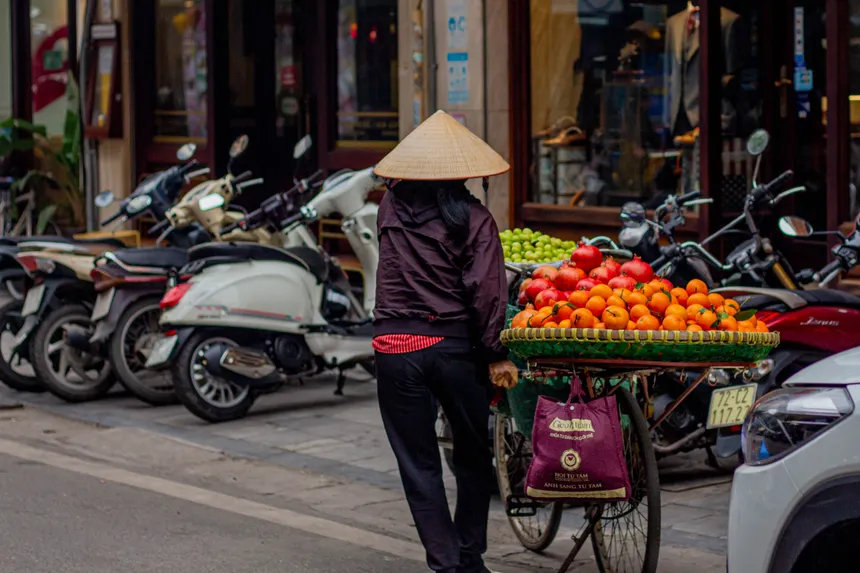
- Loads of demand for English teachers, all ages
- Low living costs let you enjoy life and still save
- Deep history, lively streets, and an absolutely delicious food scene
- Locals are friendly, and expat circles are genuinely supportive
- Easy to travel throughout Southeast Asia
Understanding TEFL Job Opportunities in Vietnam
Alright, let’s be real: what kind of teaching work is actually out there in Vietnam? There’s far more variety than you might imagine. Whether you enjoy the buzz of teaching little ones or prefer chatting grammar with adults, there’s something for you. Most jobs fall into one of three main types. First up: language centres. These private schools run classes after regular school hours or after work, so expect evenings and weekends to get busy. And busy they are! My Friday nights in Hanoi used to be a blur - teens waving textbooks and anxious parents peering in from the corridor. Next, the public schools. They’re hiring more and more foreign teachers these days. These roles mean you’ll work normal daytime hours, sometimes with classes up to 40 or more. There’s usually a set curriculum and a bit less wiggle room, but you do get longer holidays and a steady routine. And then you’ve got international schools and universities. Competition is stiffer, and you’ll probably need some extra qualifications like a teaching licence. But the perks? Higher salaries, better benefits, fantastic resources. Miles better than most language centres, honestly.- Language centre teacher (by far the most common, flexible schedule, energetic classrooms)
- Public school teacher (workdays, bigger classes, fixed curriculum)
- International school/university lecturer (best pay, higher requirements)
- Private tutoring (especially popular in cities, good extra income, small groups or 1:1)
- Bachelor’s degree (for the visa - subject doesn’t usually matter)
- TEFL certificate (120 hours minimum, ideally with in-class or observed teaching practice)
- Clean police check
- Proof of good health (medical check is pretty common)
Comparing English Teaching in Vietnam and Other Asian Countries
Vietnam pops up all the time when I chat with teacher friends who’ve worked all over Asia. So how does it compare to places like Thailand, South Korea, or Japan? I’ve spent time in both Bangkok and Busan, so I can say this from experience: Vietnam feels different, and in lots of ways, it feels special. Here’s a side-by-side to give you a clearer picture:| Country | Average Monthly Salary | Work Environment & Perks |
|---|---|---|
| Vietnam | $1,200 - $2,000 (approx. £950-£1,600) | Relaxed, friendly, flexible schedules, lower cost of living, high demand for teachers |
| Thailand | $900 - $1,500 (approx. £700-£1,200) | Welcoming, vibrant expat scene, lower salaries, great travel opportunities |
| South Korea | $1,800 - $2,500 (approx. £1,400-£2,000) | Structured, formal, excellent benefits (flights, housing), higher savings potential |
| Japan | $2,000 - $2,700 (approx. £1,600-£2,200) | Highly professional, competitive, higher cost of living, strong job security |
Navigating Challenges: Language Barriers, Culture Shock, and Legalities
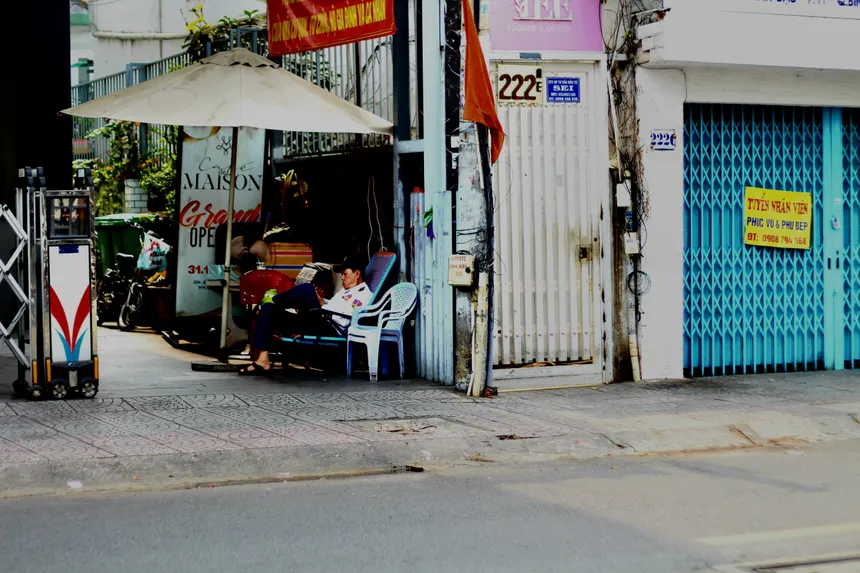
- Language hurdles (especially if you leave the main cities)
- New classroom expectations (rote learning, strong respect for teachers)
- Health and safety quirks (traffic is… well, wild, and there’s city pollution)
- Visa and work permit rules can be confusing
- Bit of culture shock and the odd pang of homesickness
Salary Expectations and Cost of Living for ESL Teachers in Vietnam
Let’s get into the numbers, since this comes up with every new teacher: “How much will I make? And can I actually live well?” The answer’s pretty reassuring. Vietnam offers a good deal for ESL teachers, mostly because things are still so affordable. Most teachers in language centres or public schools bring in $1,200 to $2,000 a month (that’s about £950 - £1,600 with the most recent exchange rates). Some international schools and universities pay more, even up to $3,000 (£2,400), but those roles are rarer and very competitive. What does that salary get you? In cities like Hanoi or Ho Chi Minh City, renting a modern one-bedroom flat will set you back about $400 (£320) a month. Eating out? Super cheap - you can get a steaming bowl of bun cha for less than two quid. Utilities, transport, and everyday things all cost much less than they do in London or even Sheffield. Typical monthly expenses:- Rent (1-bed, central): $400-600 (£320-£480)
- Utilities & wifi: $50-80 (£40-£65)
- Groceries: $100-150 (£80-£120)
- Public transport: $20-30 (£15-£25)
- Eating out locally: $80-150 (£65-£120)
Some schools throw in bonuses, paid holidays, or even help with rent. But, check your contract - not all schools are equally generous. If you plan carefully, you can travel, eat amazingly well, and still send a bit of money home."Vietnam offers a sweet spot: decent salaries, low expenses, and a vibrant lifestyle. I saved more here than I ever did teaching in Spain or Thailand."
- Alice Croft, TEFL teacher, Hanoi
Essential Tips for Success in Vietnamese Classrooms
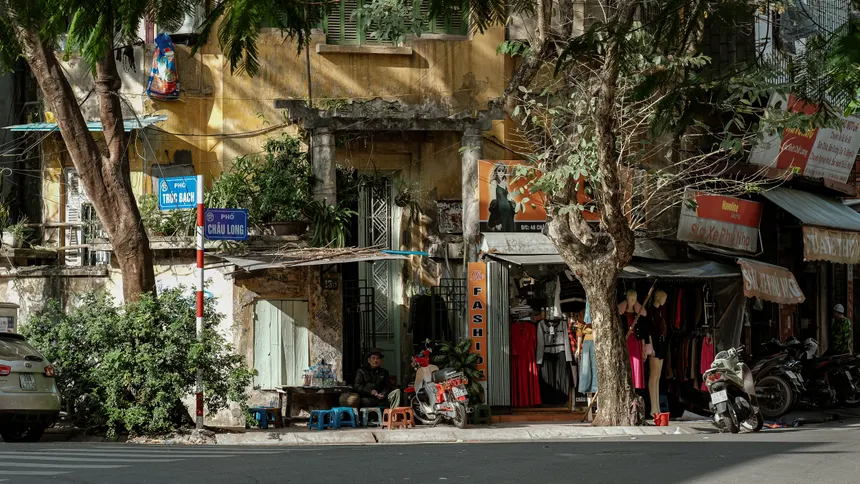
- Keep instructions simple and show what you mean
- Use pictures and real items from daily life
- Set up lots of pair and group tasks to build confidence
- Praise even the small wins - it goes further than you’d think
- Stay flexible; plans can change with little warning
- Get to know local customs and school routines
Expert Perspectives: Insights from TEFL Professionals in Vietnam
You can read guides, but nothing beats hearing from teachers who’ve been through it themselves. I’ve chatted with plenty of colleagues across Vietnam. It always comes back to a few key things: adaptability, building real connections, and finding joy in those everyday wins.To be fair, most TEFL teachers in Vietnam are pretty happy with their choice. In a recent survey we ran, 82% said they’d recommend the experience. There’s something about the mix of career growth, full immersion in the culture, and the financial freedom that really clicks for people. Many new arrivals find their feet through the expat community or by joining organisations like UK TEFL Institute. Social events, swapping resources, and the odd get-together make settling in a whole lot easier. A friend teaching in Hue once told me, “The staff at my school genuinely want me to succeed. Even when my Vietnamese is, well, a bit embarrassing, they’re patient and always invite me to lunch.” It’s those little moments of kindness that keep you going, especially if you’re missing home."My first few weeks in Ho Chi Minh City were a blur of mopeds, monsoon rain, and baffling paperwork. But the moment my shyest student cracked a joke in English, I knew I’d made the right decision."
- Mark Evans, ESL teacher, HCMC
So yes, the early days can be intense. But most teachers find their groove faster than they expect, especially with support from new friends and a real sense of purpose in their work."Teaching in Vietnam has given me a new perspective on education - and on life. The students are eager, the food is incredible, and every day brings a new adventure."
- Priya Nair, TEFL teacher, Da Nang
Start Your TEFL Journey in Vietnam with Confidence
If the thought of teaching English in the hectic streets of Hanoi or under the swaying palms in Nha Trang excites you, you’re definitely not the only one. There are loads of opportunities here for driven, qualified teachers - and there’s now much more support than there ever used to be. At UK TEFL Institute, I’ve watched hundreds of teachers touch down in Vietnam - sometimes a little nervous, always excited. Our courses focus on real-world skills, savvy about the local culture, and building your confidence to hit the ground running. Plus, we have job placement support, so you’re not left to stumble through everything on your own.Teaching English in Vietnam isn’t always a walk in the park. But it’s genuinely fulfilling, wildly interesting, and (from what I’ve seen) life-changing. If you’re ready for something new, Vietnam offers real adventure - plus a network of people and resources to help you flourish."The training and guidance I received before arriving in Vietnam made all the difference. Having a mentor on hand to answer questions - even the silly ones - helped me settle in fast."
- Sophie Richards, UK TEFL Institute graduate
Dr. Mitchell brings over 18 years of experience in English language education. Having taught across Europe and Asia, she leads our curriculum development with a focus on practical, classroom-ready methodologies grounded in British educational tradition.